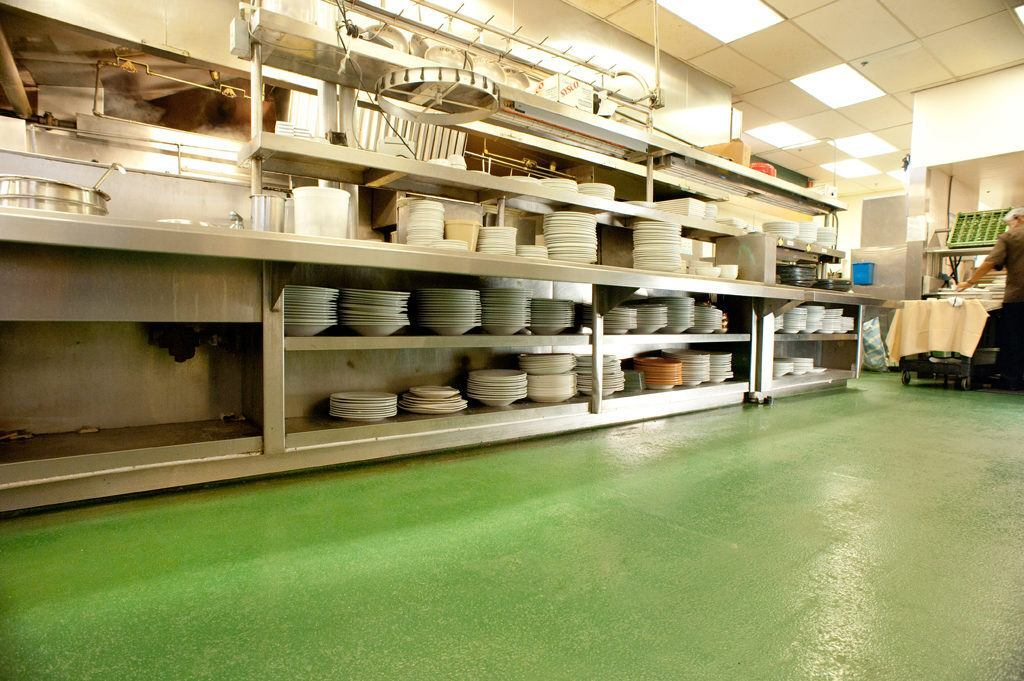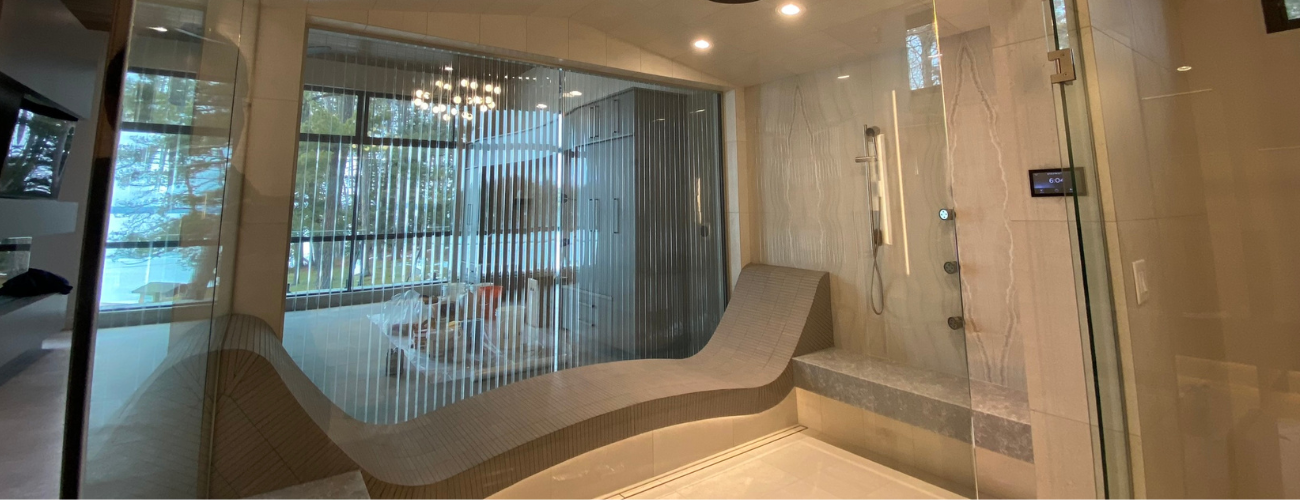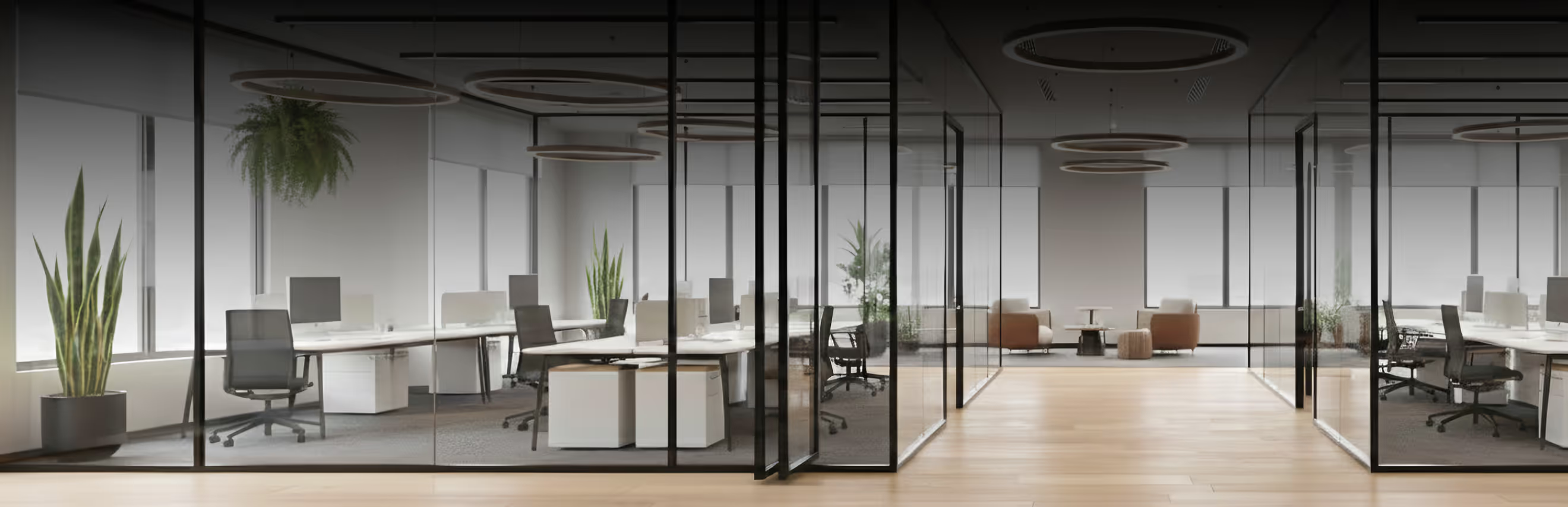


Picture a healthcare corridor or a busy restaurant dining room mid-renovation. The reflected ceiling plan is full of clouds, soffits, and decorative features, and every one of them has to make room for fire sprinklers. Drop the sprinklers below the finished ceiling and you're stuck with visible trim rings, exposed piping vulnerable to bumps and tampering, and a design that never quite reads as clean. Keep them tucked above a conventional ceiling and you risk blocking their activation entirely, which is a safety compromise no architect can accept.
It's a recurring tension: the ceiling plane architects want to sculpt is the same plane fire protection engineers need to keep clear. For years, the only real fix was compromise.
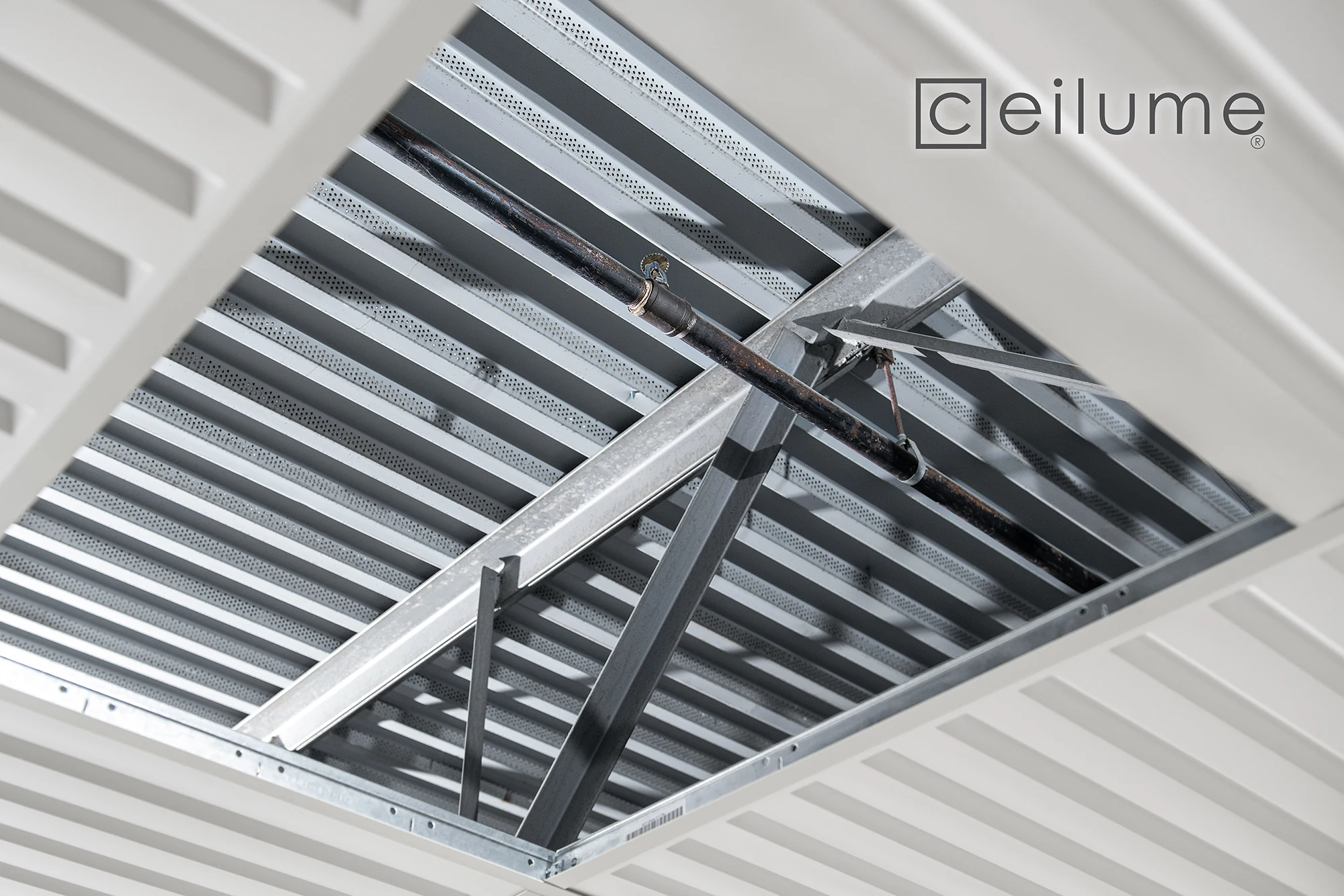
Ceilume offers a different answer with its Feather-Light series drop-out ceiling panels, lightweight ceiling tiles engineered to soften, distort, and fall away from the grid when exposed to the heat from a fire, so sprinklers installed above the finished ceiling can activate unimpeded.
That single behavior unlocks a cleaner design, a simpler sprinkler layout, and a meaningfully lower installed cost, all while staying within the framework of NFPA 13.
A Ceiling That Gets Out of the Way When It Matters
Ceilume’s Feather-Light panels are tested to FM Approval Class 4651 and UL Listing Report BLME.R4036, and rated, listed, and approved for use beneath fire suppression sprinklers. In a fire event, heat causes the panels to soften and fall from the ceiling grid before they can interfere with sprinkler activation, allowing the system to perform exactly as designed, even though the sprinklers themselves are never visible in the finished space.
The visual payoff is immediate: no trim rings, no escutcheons, no sprinkler heads breaking up sightlines in a healthcare exam room, hotel lobby, or restaurant dining area. But the advantages go well beyond aesthetics. Locating sprinklers above the ceiling also protects them from accidental knocks and tampering, and the water damage that can follow, while simplifying layout at clouds, soffits, and other ceiling features where dropped sprinklers are hardest to coordinate.
Where the Real Savings Show Up
For most teams, the aesthetics alone would justify a closer look. The cost math makes the case even stronger. Because sprinklers never need to be dropped below the grid, projects avoid trim rings and escutcheons entirely and can specify simpler, less costly, non-appearance-grade sprinkler heads.
A cost study of a 110,000-square-foot office building in Oklahoma City found that a drop-out approach with Ceilume panels ran $0.72 to $3.29 per square foot less than a comparable mineral fiber ceiling with penetrating sprinklers, savings that scale fast across a full building. One Vermont manufacturer used the approach to work with its existing sprinkler system during a factory remodel, and the resulting savings covered the cost of the entire ceiling.
One important caveat: because sprinkler and ceiling systems intersect with local fire and building codes, the first step on any project is to consult local building and fire officials to confirm the intended application conforms with applicable codes before specifying.

Discover Ceilume on Acelab’s Material Hub
Ceilume's broader catalog — lightweight, moisture-resistant, cleanable, and low-emitting GREENGUARD Gold Certified options — is built for demanding environments like healthcare, hospitality, and commercial interiors, where performance and appearance both matter. The Feather-Light drop-out line is a clear example of a product that solves a specific, recognizable challenge architects face, backed by real code compliance and third-party listings rather than marketing claims alone.
That's the role Acelab’s Material Hub is built to play: surfacing products like this one before you're deep in a fire-and-life-safety redesign, and connecting you directly with the manufacturer to work through code coordination, specifications, and samples.
Explore Ceilume's Feather-Light drop-out ceiling panels on Acelab’s Material Hub to see full specifications and connect with their team.